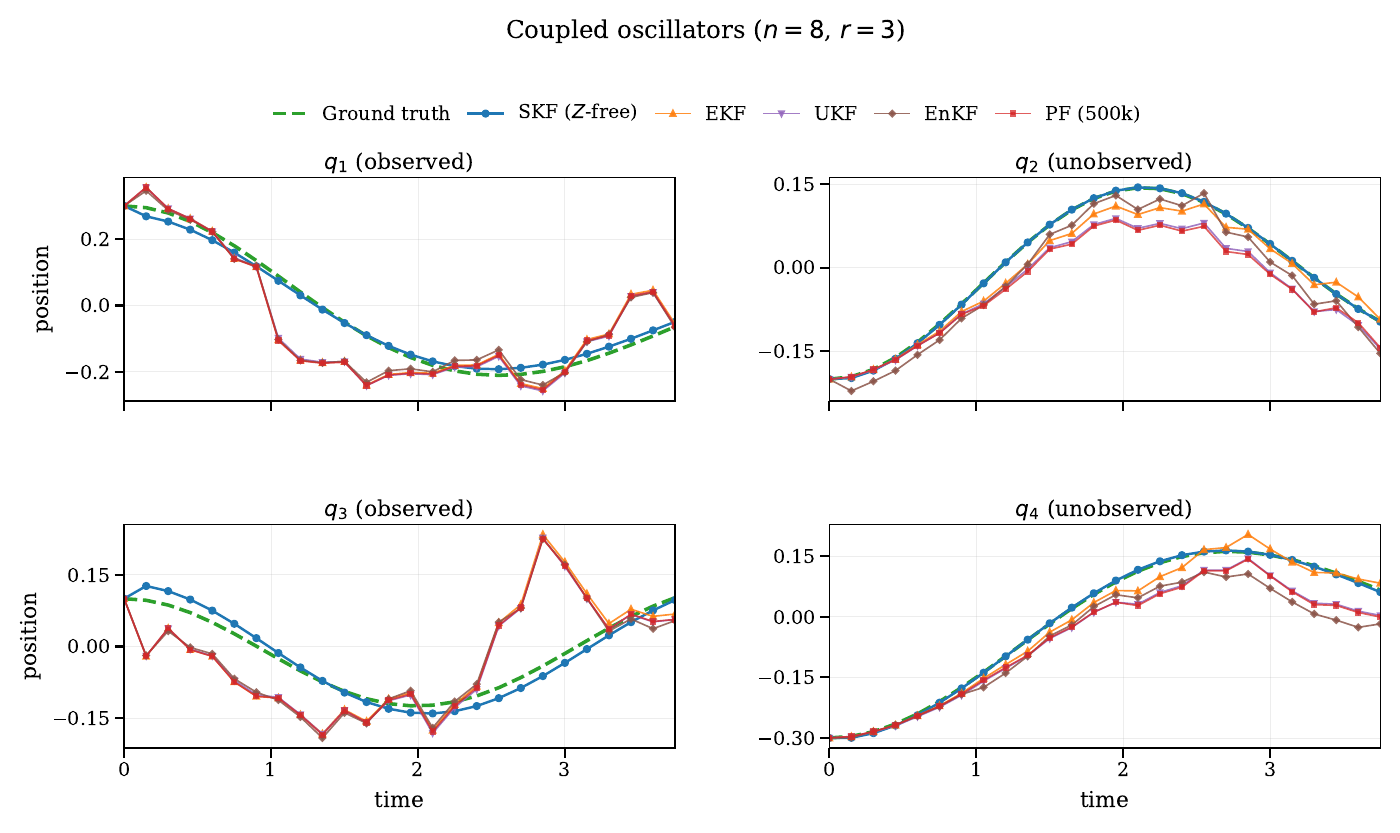
The Score Kalman Filter: Non-Gaussian Estimation Through Linear Algebra
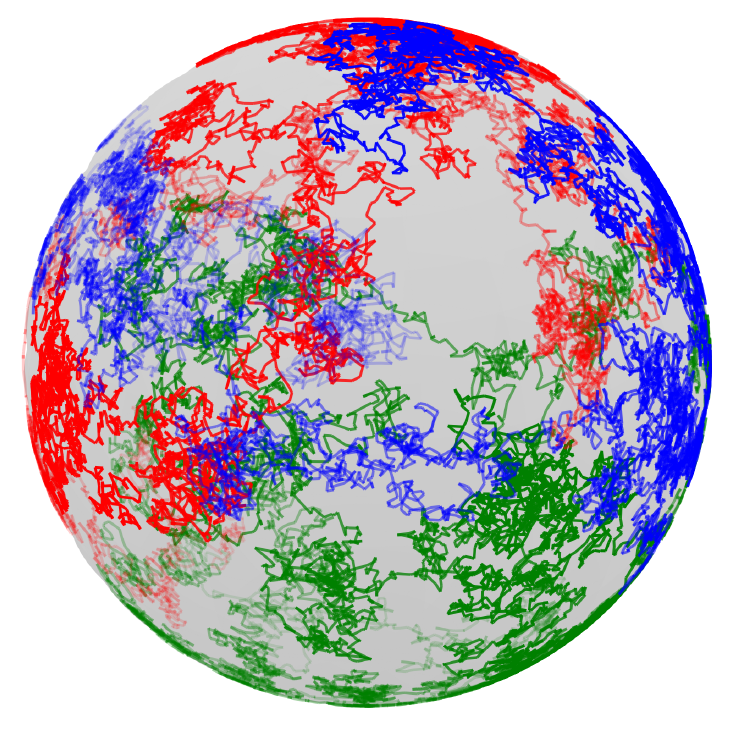
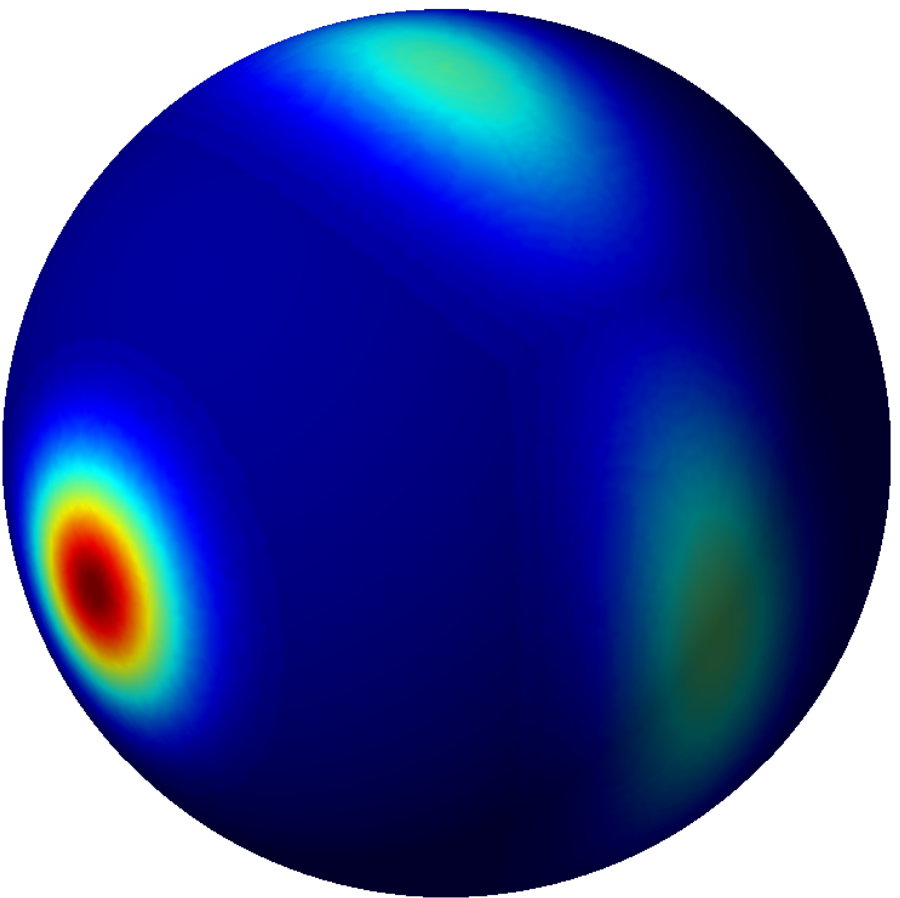
Connecting score matching with probability theory to estimate nonlinear systems beyond Gaussian approximations.
Explore how geometry connects dynamics, control, uncertainty, and artificial intelligence. These articles introduce the mathematical ideas, computational methods, and experiments behind our research in robotics and aerospace engineering.
Connecting score matching with probability theory to estimate nonlinear systems beyond Gaussian approximations.
PIMS-SLAM and REVISE connect persistent object tracking, revisable 3D mapping, and language-based scene understanding.
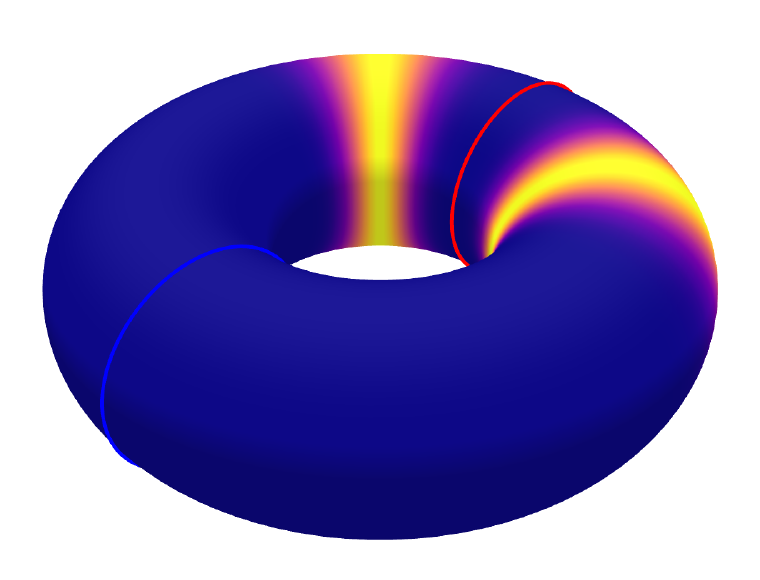
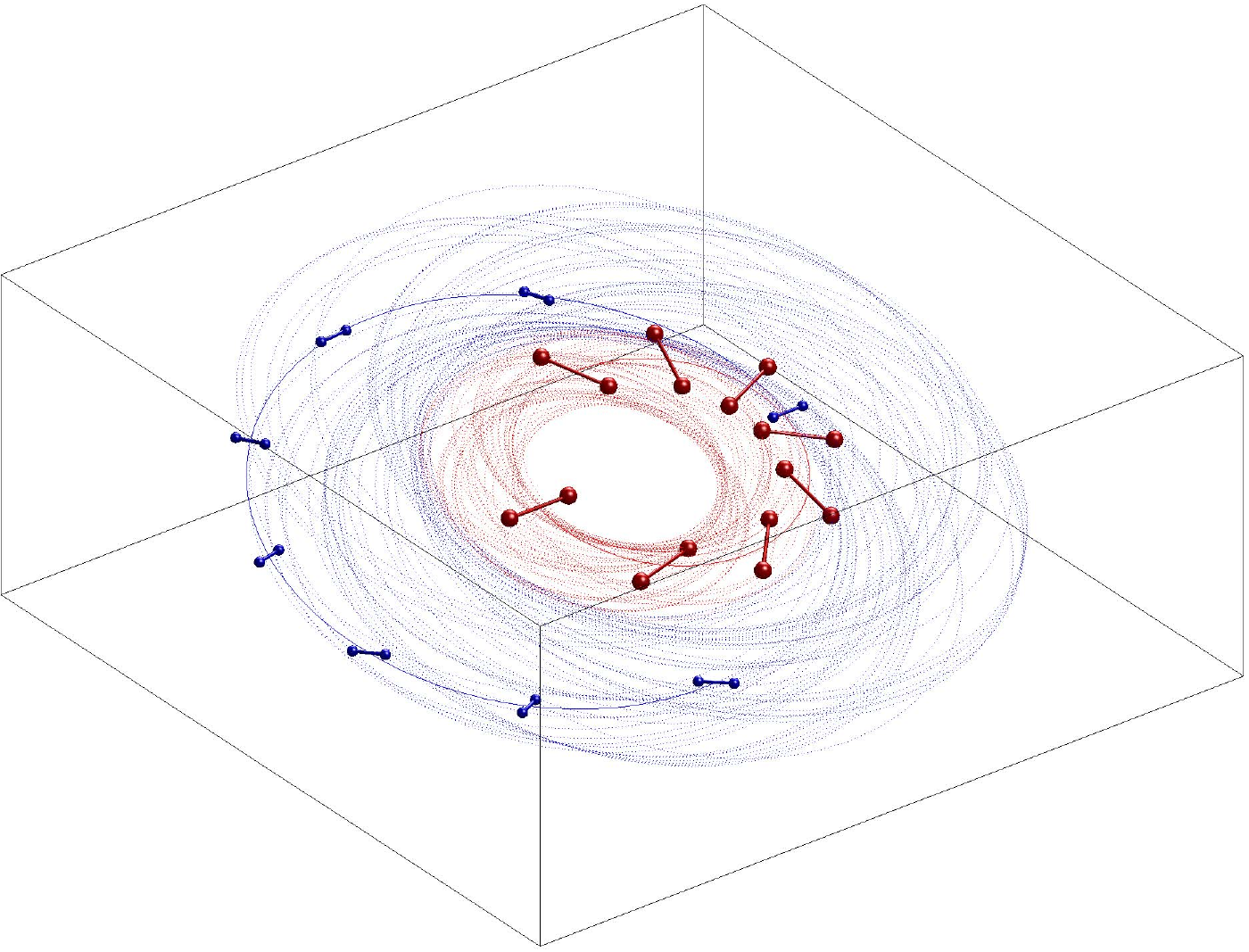
Geometric uncertainty propagation on a torus, extended to dimension-changing resets through merging and splitting particles.
A geometric foundation for relative-state estimation, connecting invariant Kalman filtering to experiments with independently moving aerial and ground vehicles.
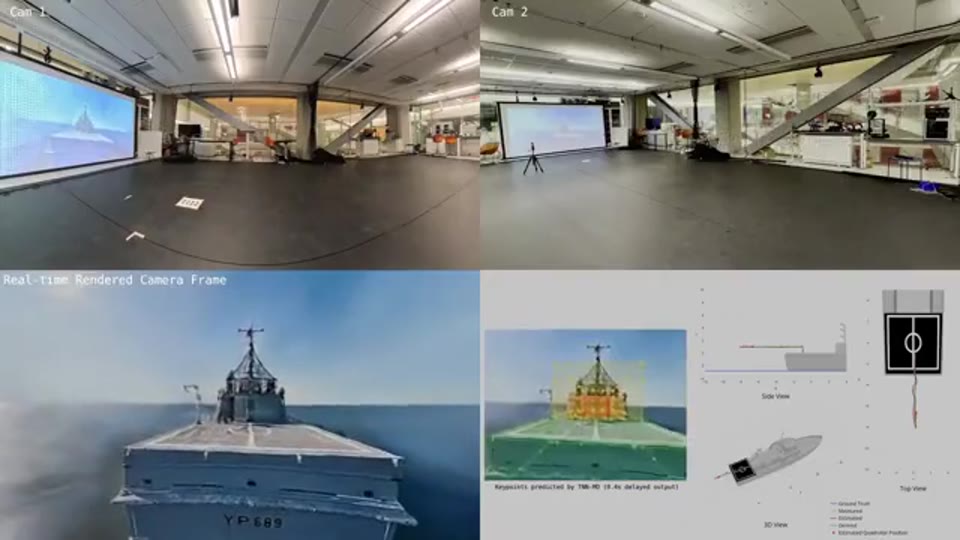
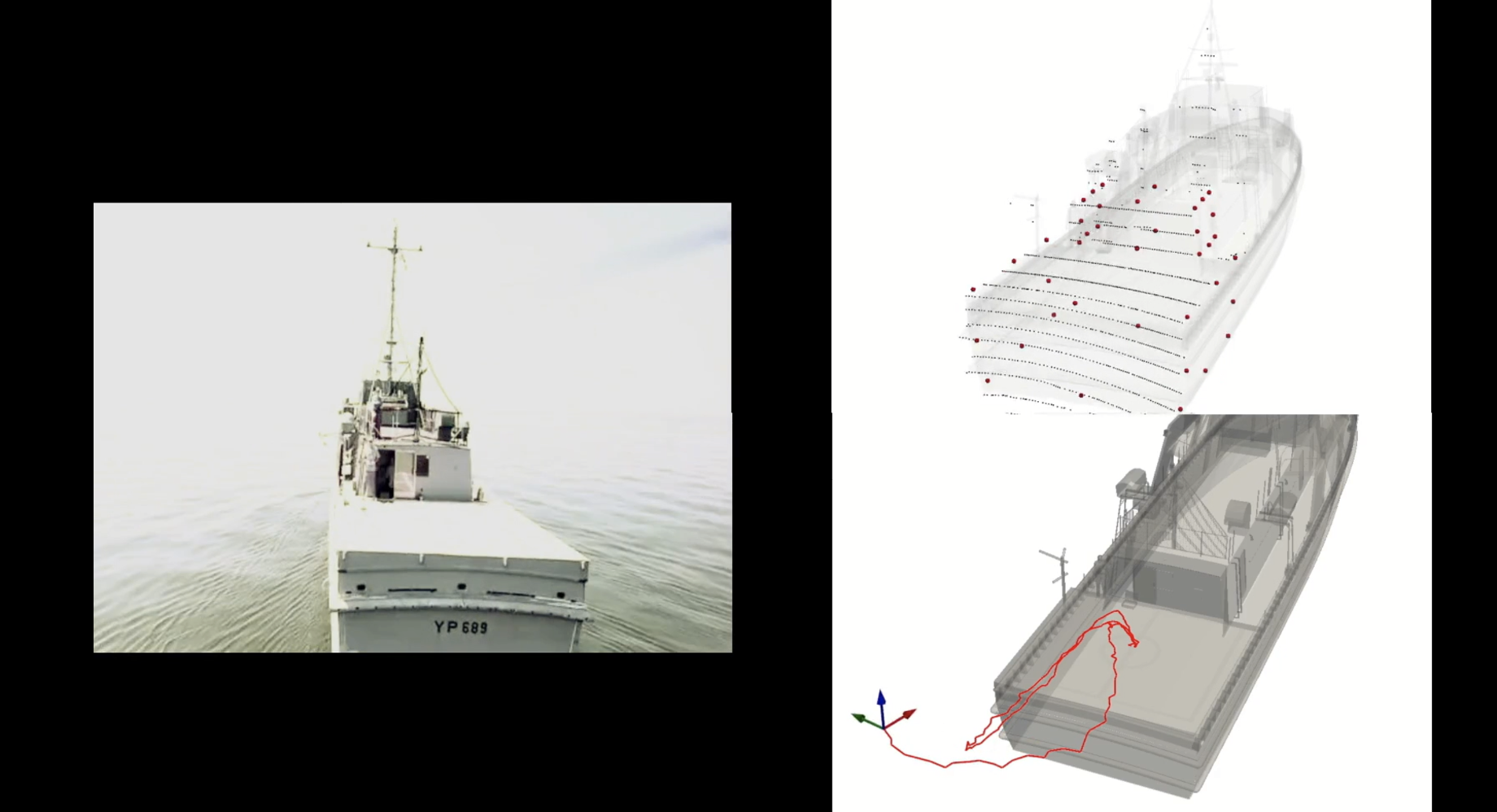
Combining transformer networks, geometric estimation, and flight testing to navigate relative to a ship.
Connecting differential geometry and stochastic analysis to model uncertainty in rotations, constrained motion, and manifold-based AI.
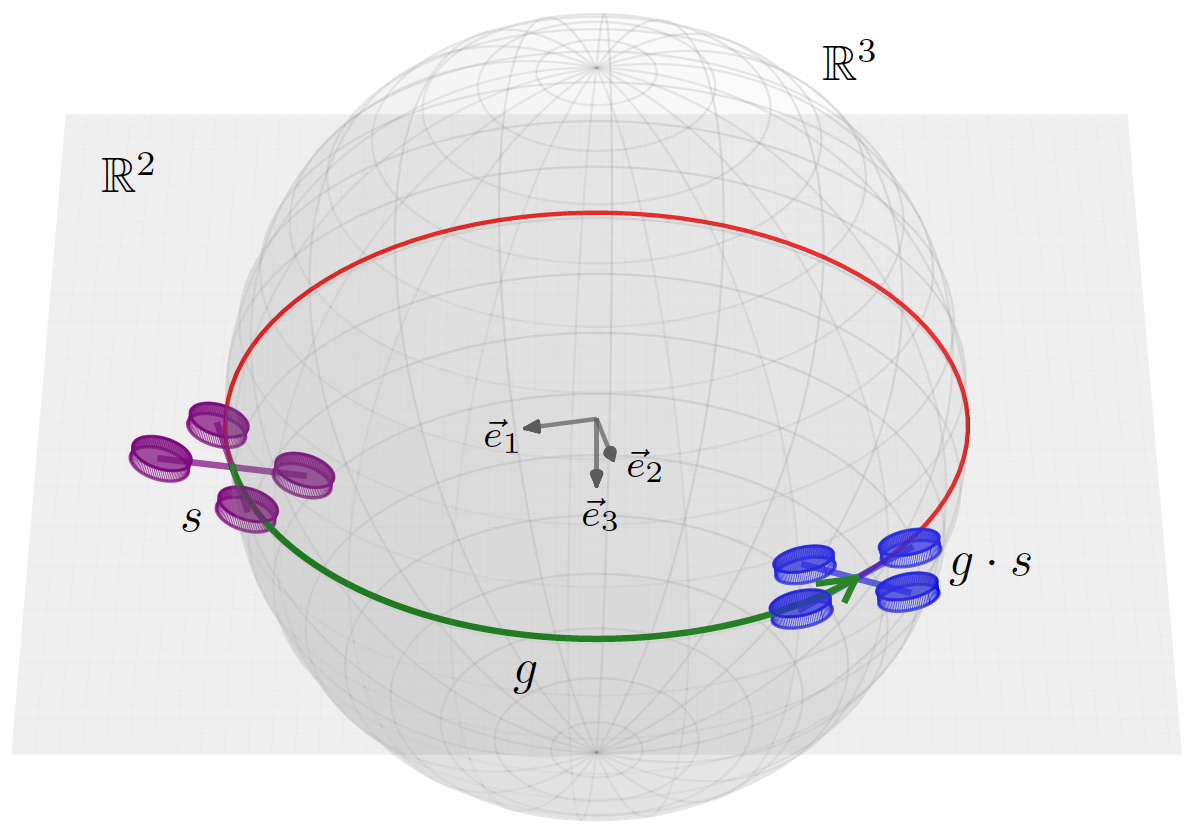
This study explores how Equivariant Reinforcement Learning uses geometric symmetry to dramatically improve the training efficiency, safety, and precision of autonomous quadrotor drones.
Using geometric control and real flight data to improve the transfer of reinforcement learning from simulation to hardware.
Learning ship geometry from synthetic LiDAR scans to estimate UAV position and orientation from sparse, partial measurements.
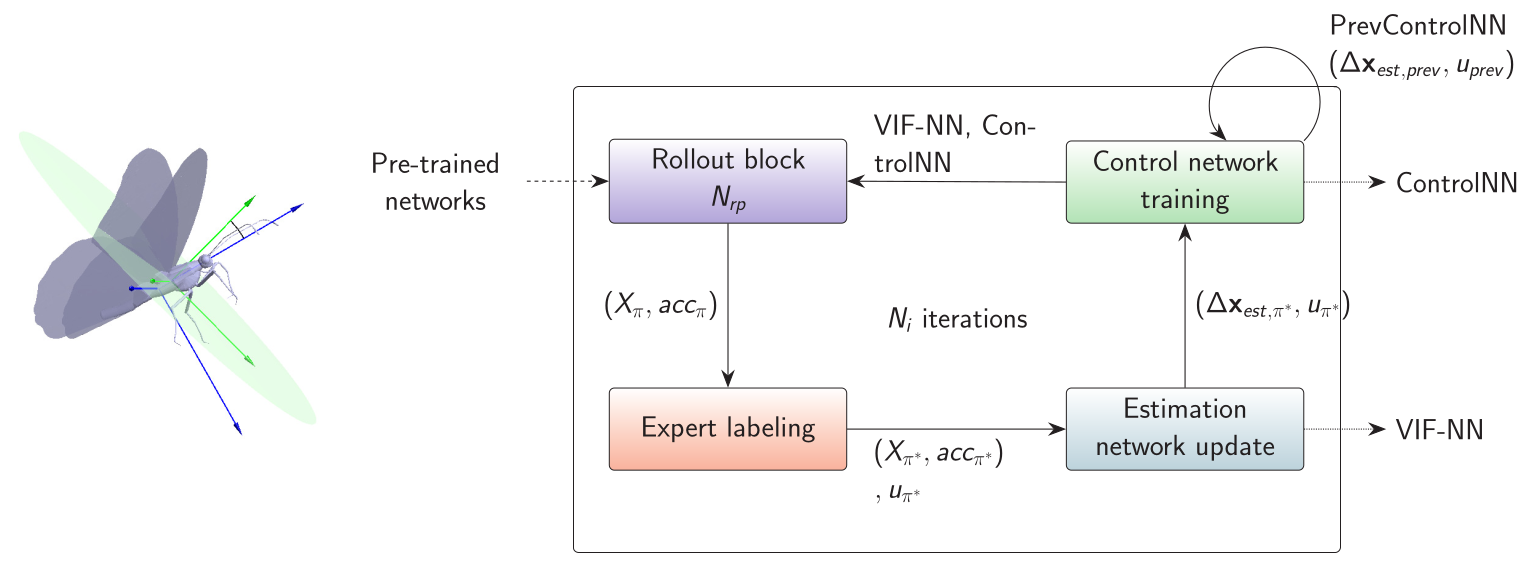
This post is about my PhD thesis on the dynamical modeling, stability analysis, optimal controls, and data-driven control policies for a flapping wing unmanned aerial vehicle, inspired by Monarch butterflies.
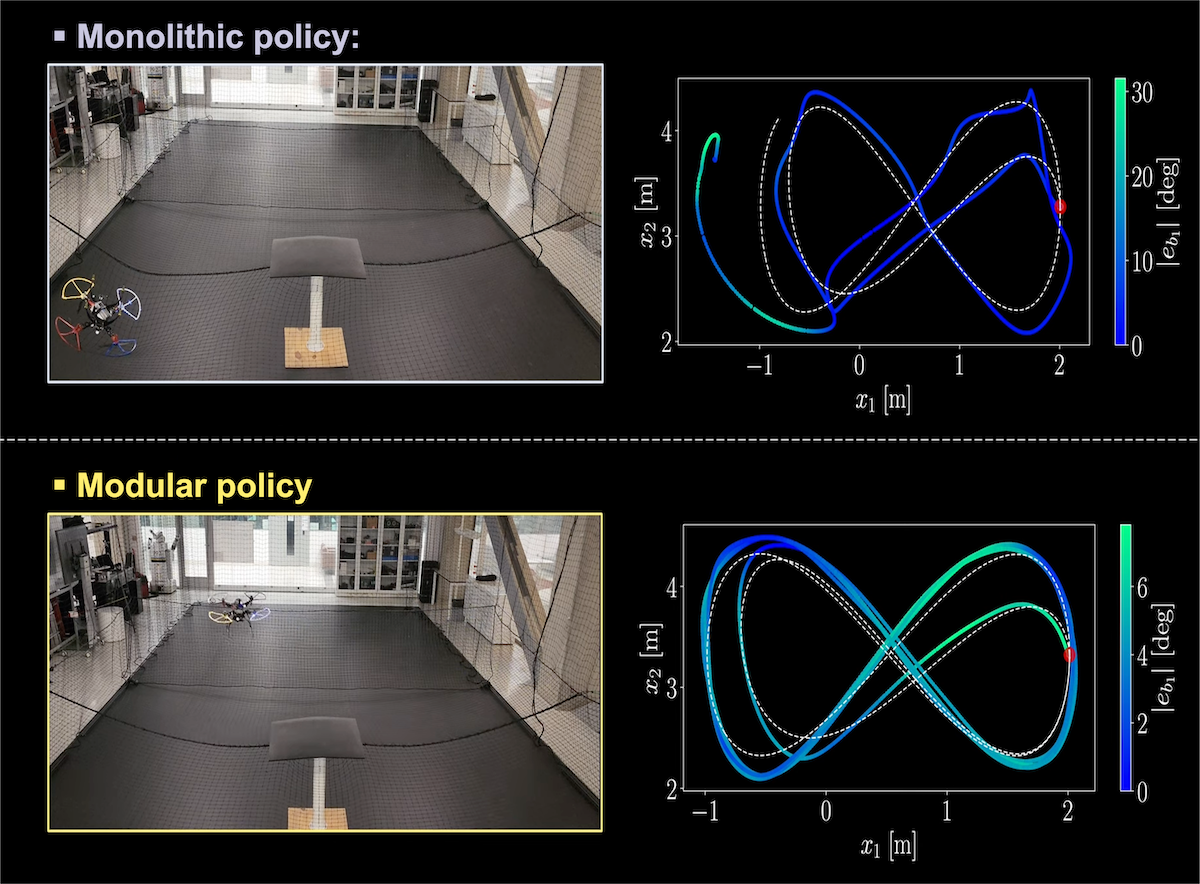
This study addresses the limitations of traditional RL approaches for quadrotor control by decomposing the quadrotor dynamics into translational and yaw subsystems, resulting in more efficient training and enhanced yaw control performance.
From rotating bodies and elastic tethers to optimization and stochastic impacts, discrete mechanics turns physical structure into reliable numerical methods.
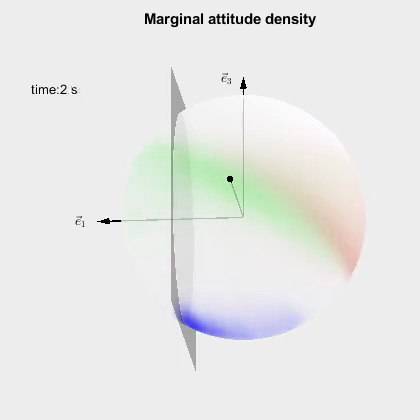
A geometric probability framework for uncertain rotations, correlated sensor biases, and navigation with large attitude errors.
Noncommutative harmonic analysis connects the geometry of rotations with computational methods for evolving non-Gaussian probability distributions.
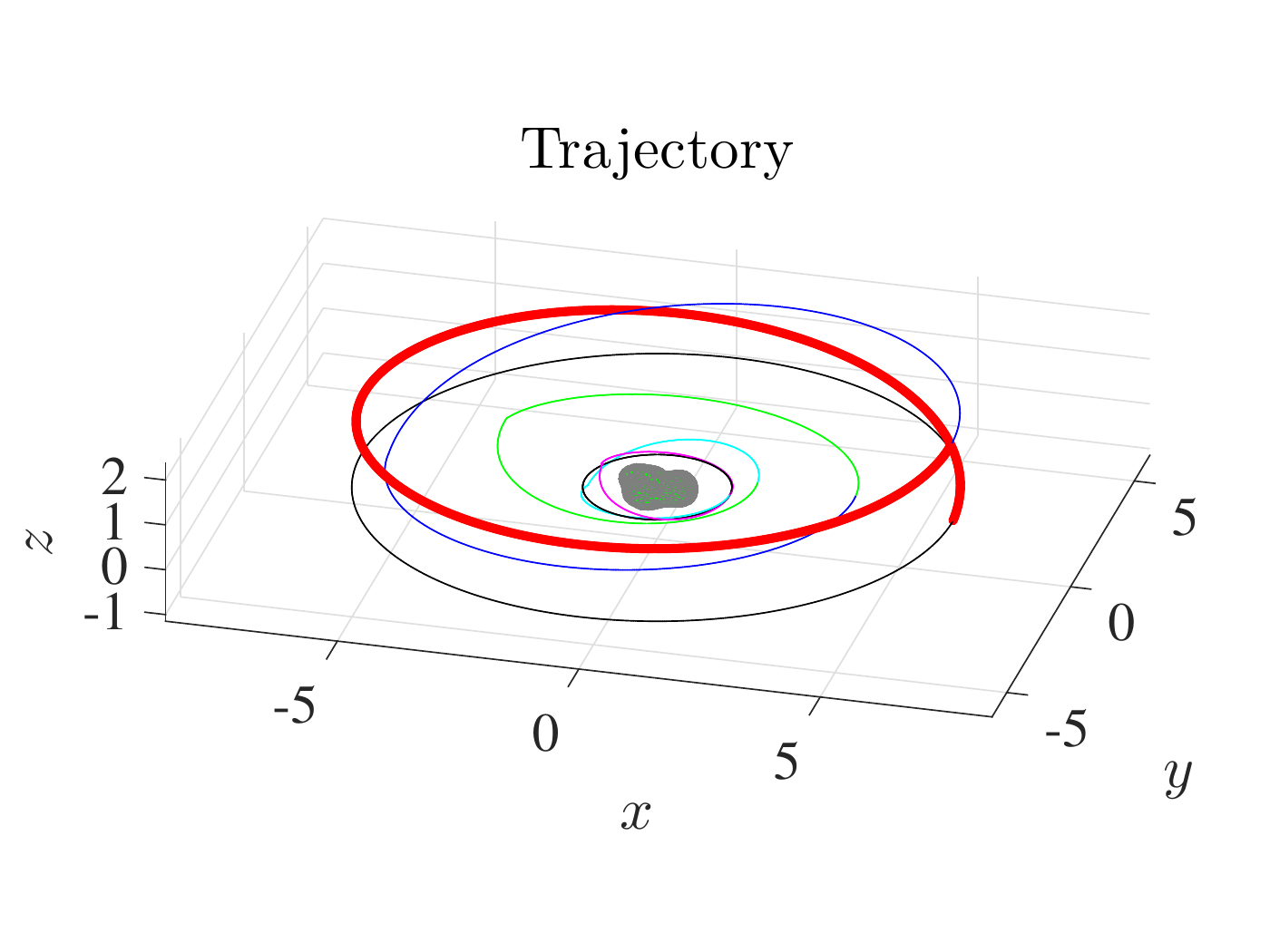
From low-thrust transfers to autonomous asteroid exploration, geometry connects mission design, shape reconstruction, and optimal guidance.
From agile flight on SE(3) to suspended loads and cooperative transport, geometric control connects coupled dynamics, stability analysis, and UAV experiments.
From large-angle attitude tracking to hybrid and memory-based control, geometric methods connect mathematical stability guarantees with rigid-body experiments.